Smart City
Innovation Alphabet
Smart City
In a nutshell
Smart technology is extending and growing in size: from watches and cell phones it has moved to cars, and finally to cities. The smart city is a new urban reality driven by sustainability. A self-sufficient urban environment where traditional networks and services are made more efficient through the use of digital technologies.

Application Fields
• Environmental management: Sensor networks for environmental monitoring are systems that, applied within smart cities, keep an eye on the management of natural resources. One example is water management, which aspires to minimize waste through closer monitoring of aqueducts. In addition, it exploits energy-efficient pumping and recycling of water not intended for drinking purposes.
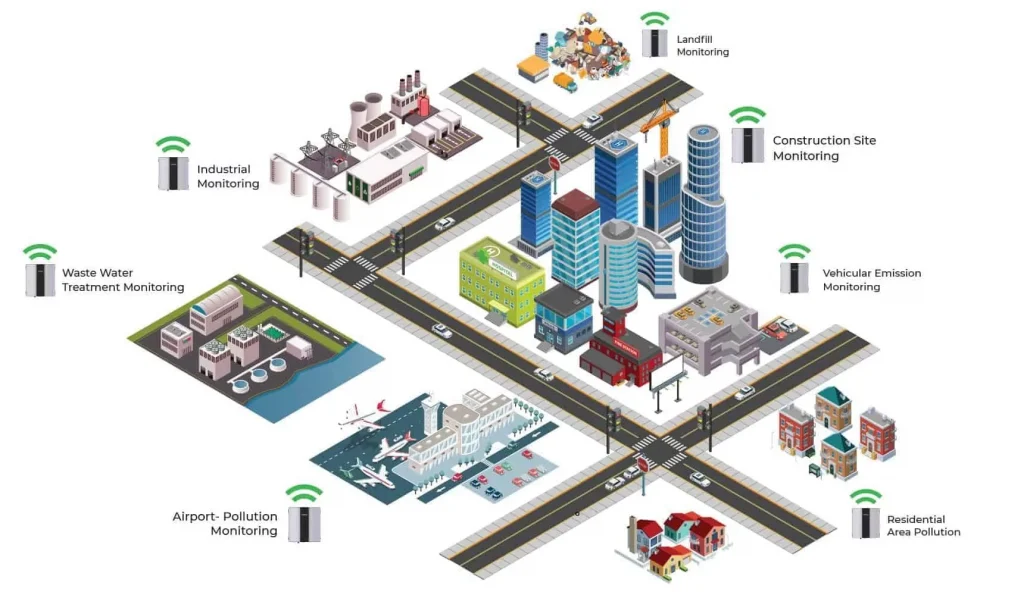
• Smart Buildings: A smart building is one whose management systems are automated. A total supervisory infrastructure aims at reducing energy consumption and ensuring the comfort, safety, and health of the occupants. For this purpose, there are Integrated and Open Building Automation and Control Systems. They integrate and optimize the management of a building’s services, such as heating or lighting. Building automation is a key area of development for a smart city that aims to achieve greater efficiency in home environments.
• Digital identity: Every citizen today can quickly and securely access public and urban services. How? Through computing devices such as smartphones and computers, by manifesting their digital identity. This is a recognition system that, first, ensures a more agile use of the services offered by the Public Administration (e-government). Second, it allows citizens to actively participate in the administrative life of the city (e-democracy). Digital identity is a priority in the innovation process for citizen services.
Industries
• Smart City in the healthcare industry
Over the past decade, the Italian autonomous province of Bolzano, Trentino Alto Adige, has been promoting public policies to become a smart city. Between 2009 and 2011, the city launched a project with the aim of testing innovative ways to make it easier for elderly people living alone to stay in their homes. This is the “Abitare Sicuri” project. Water, gas, smoke, humidity, and temperature detection sensors have “invaded” homes in order to send data to software which can detect any dangerous situations. Elderly citizens’ feelings of wellbeing and safety have increased.
• Smart City in the energy industry
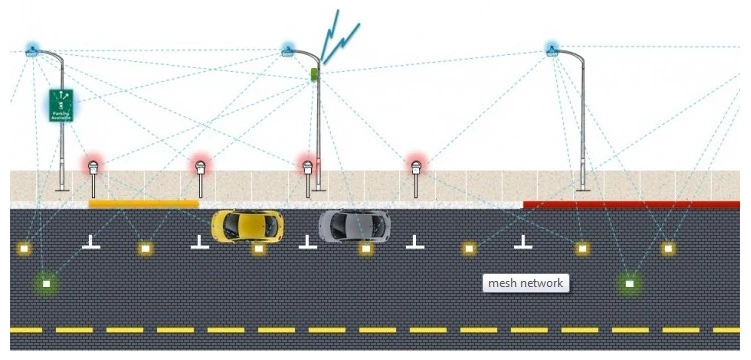
The city of San Jose, California has initiated a project to replace all 62 thousand light poles with smart streetlights. It features an LED lighting system capable of consuming 40 to 60 percent less energy and connected by a WAN network. This allows for continuous monitoring of streetlight status, activating them only when necessary. The result will be a distinct economic and environmental benefit.
• Smart City in the service industry
Streetline is a U.S. company that offers smart parking solutions accessed through the use of technological infrastructure. It then helps drivers locate free parking spaces through an app. This reduces negative externalities borne by the community through a better alignment between supply and demand guaranteed by a dynamic pricing system, which allows the hourly rate to be increased in areas of high demand and decreased in areas of lower demand. The company’s business model, in addition to the city’s public parking authority and private parking owners, also involves merchants, and it is based on the presence of a short-range connection system.

Do you have a Strategy & Innovation challenge to tackle? Let’s face it. Together.
C-levels from these companies (AND MORE) relied on my expertise to overcome thEIR CHALLENGES IN THIS AREA. And You can, too.
Can I help you?

Business Function
• Smart City in support of management
Milan, Italy’s ultimate smart city, uses Big Data Management in order to understand data and transform it into strategic actions for the delivery and development of new services to citizens. One example is the Citizen’s File, a kind of personal identikit that contains household master data, information on education services, tax documents, and a link to online mobility services.
Stay in wonderland
Let me show you how deep the rabbit hole goes.
Check out more of the Innovation Alphabet:

Gamification
Gamification
Gamification is actually adding a game-like element to make more fun and engaging something that’s not necessarily a game. It’s all about turning a task that might be boring or difficult into a more enjoyable and motivating activity. You can also earn points, badges, and rewards for completing certain actions or challenges. Are you ready to play?
Dive In
Business Intelligence
Business Intelligence
A smart business means efficiency: Business Intelligence represents the ability to collect up-to-date data, present it in easy-to-understand formats, and deliver it in a timely manner to employees. Making data-driven decision-making and management processes leads to competitive advantage, reduces inefficiencies, and improves productivity and service at all levels.
Dive In
Artificial Scarcity
Artificial Scarcity
We often tend to desire what we cannot have. Or what we are in danger of losing: Artificial Scarcity is a strategy that flaunts a limited number of items that do not correspond to actual availability. The goal is to stimulate the perception in consumers that the stock of items is about to run out and thus create a need based on the “fear of being cut off” or the intention to buy the item in order to resell it at a higher price.
Dive In
Subscription Model
Subscription Model
A subscription model is a business tool that generates revenue by charging customers a fee at regular intervals. The company provides products or services to subscribers on a subscription basis, usually monthly or annually. In this way, loyalty has become more important than acquiring new users.
Dive In
Holacracy & Flat Organization
Holacracy & Flat Organization
A “flat organization” breaks down the traditional hierarchy and removes its negative connotation, while “holacracy” is the business tool that facilitates its formation. Flat organizations place more emphasis on communication and collaboration, aspiring to a distributed decision-making process that gives each employee a voice. But this is a model that is difficult to implement.
Dive In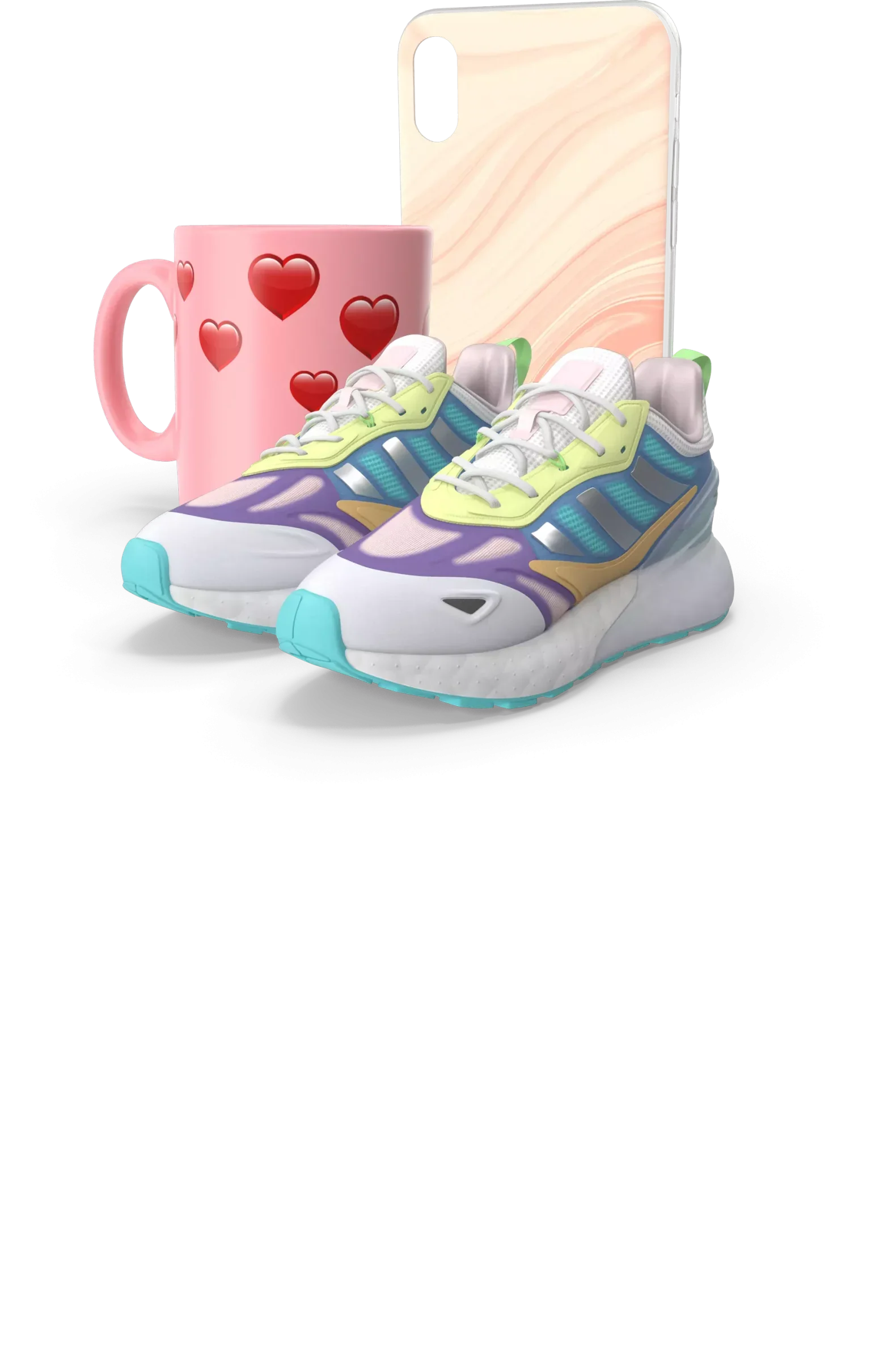
Mass Customization
Mass Customization
Mass customization is an initiative adopted by companies to embrace the increasingly diversified needs of customers. By offering customizable products and services, consumers feel engaged and can bring their creativity into play. Brands gain from this a boost in perceived value and the opportunity to fuel a positive word-of-mouth marketing.
Dive In
Coopetition
Coopetition
If you can’t beat them, join them. Coopetition is a business strategy that defines cooperative and competitive relationships between competing companies in the same young or high-growth market. The goal is to travel a stretch of road together to lower initial research and development costs. Once the desired results are achieved, the companies will return to being enemies as before.
Dive In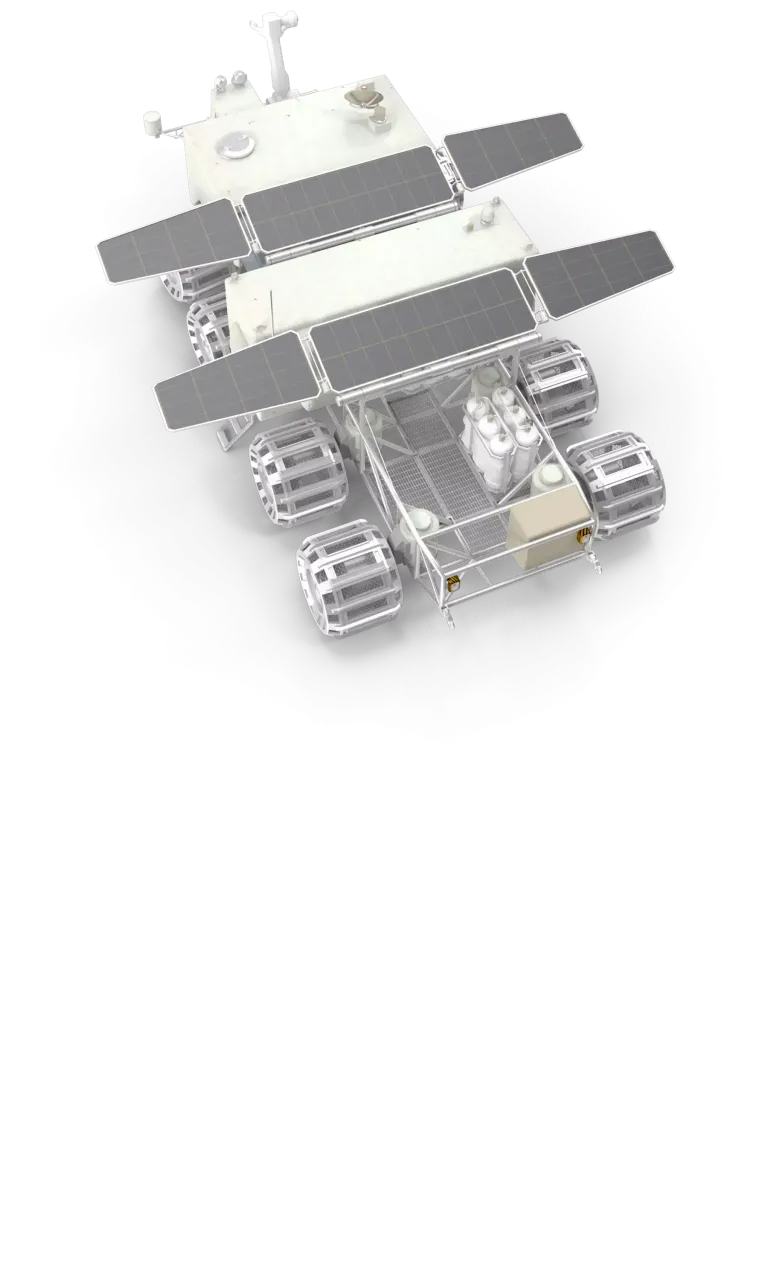
MVP
MVP
To the disappointment of all sports fans, this is not an article about Michael Jordan. In the language of business, MVP stands for Minimum Viable Product and indicates the version of a new product that has enough features to attract customers. In this way, a team can gather the most feedback with the least effort, improve the prototype, and validate its sale.
Dive In
Agile
Agile
Agile is an approach to software development designed to respond to change. Teams quickly analyze the context in which they operate, identify uncertainties faced, and figure out how to adapt to always move forward. Interaction between individuals comes before processes and tools; collaboration with the customer is more important than negotiating contracts.
Dive In
Bounded Rationality
Bounded Rationality
The best solutions always come to mind when it is too late. This is because human beings tend to make decisions on the basis of satisfaction rather than optimization. Bounded Rationality means that we are unable to think clearly and linearly, we proceed by trial and error and forget all the possible variables that affect the process. But we are also flawed.
Dive In