Innovation Alphabet
Gamification
in a nutshell
Gamification is actually adding a game-like element to make more fun and engaging something that’s not necessarily a game. It’s all about turning a task that might be boring or difficult into a more enjoyable and motivating activity. You can also earn points, badges, and rewards for completing certain actions or challenges. Are you ready to play?

Application Fields
Jane McGonigal is game research director of the Institute for Future and among the leading interpreters of gamification. She stated that this method should not make tasks easy for the people undertaking them. It should make them harder. Played too many video games, you might say. Well, may be. But what she really means is that the more challenging the task, the greater the sense of achievement upon taking it up. Let’s see if you agree with some of these application fields.
• Employee Training: Many companies use gamification to make their employee onboarding programs more engaging and effective. They might use games, quizzes, or simulations to help employees learn new skills, understand company policies, or complete compliance training. I also discuss it in this guide on HR Digital Transformation.
• Marketing: Gamification can be used to create fun experiences while promoting products or services. For example, a company might create a contest that fosters customers to share information about the company on social media or refer friends to the company. Think about the “Starbucks Rewards” program. It allows customers to earn points or “stars” for their purchases, which they can redeem for free drinks or food items.

• Customer Loyalty: Companies can use gamification to encourage customer loyalty by creating loyalty programs that reward customers for repeat purchases or other behaviors, such as leaving a product review or referring a friend. Again, these rewards can then be redeemed for discounts or other perks.
Industries
• Gamification in the Education Industry
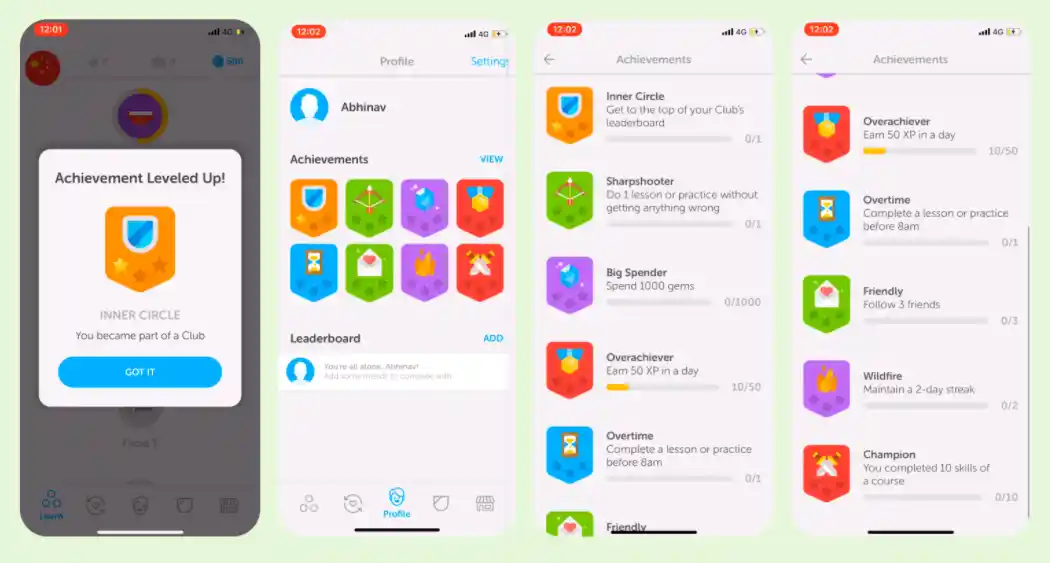
Duolingo is a language-learning app that uses a game-like interface to teach users new vocabulary and grammar. It rewards users with points, badges, and progress bars as they complete lessons and advance through the levels. This gamification approach is what helped Duolingo become one of the most popular learning apps in the world.
• Gamification in Healthcare
The “Zamzee” program is a gamified activity tracker designed for children which literally boosted kids’ physical activity. The program has been used in schools and pediatric clinics to promote exercise and reduce childhood obesity. It encourages children to be more physically active by rewarding them with points and badges for completing daily challenges and reaching fitness goals.
• Gamification in Finance
Do you have a hard time saving money? The “SaveUp” app is a gamified savings and financial education platform. It rewards users with points and prizes for saving money, paying down debt, and learning about personal finance. Users can then redeem their points for chances to win cash prizes, gift cards, and other rewards. SaveUp has been really successful in motivating people to save more and improve their financial literacy — which is a too-often underestimated milestone.
Business Functions
• Gamification in support of Sales
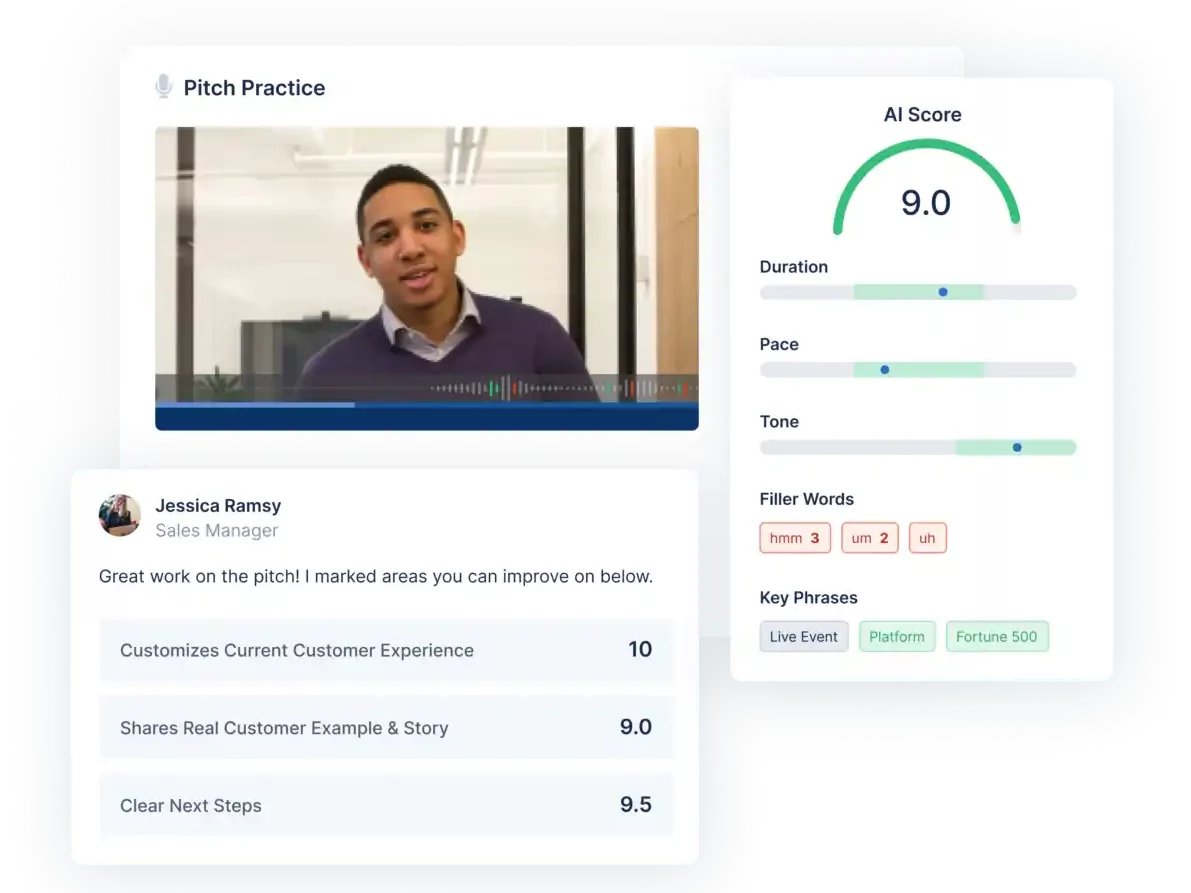
SalesHood is an all-in-one Sales Enablement Platform that uses game-like elements to engage and motivate sales teams. The platform features interactive sales training modules, quizzes, and challenges, and it rewards sales reps with badges, points, and recognition for completing training and hitting sales targets. The gamification approach has helped many companies like Copado, ActivTrak, and the Sage Group increase sales performance.
• Gamification in support of Human Resources
Among the many strategies employed by this department, Mya is an AI-powered recruitment chatbot that uses gamification to assess job candidates’ skills and qualifications. The chatbot engages candidates in a series of interactive challenges and simulations that test their abilities and knowledge, rewarding them with points and badges. Due to its effectiveness, the tool was acquired by StepStone GMBh on May 2021.
• Gamification in support of Customer Service
Many companies use the IT service desk software HelpDesk to incentivize customer service reps to provide excellent service. The platform features leaderboards, badges, and rewards for reps who resolve customer issues quickly and effectively. This gamification approach has helped increase customer satisfaction and reduce customer wait times, while also improving employee engagement and motivation.
Stay in wonderland
Let me show you how deep the rabbit hole goes.
Check out more of the Innovation Alphabet:

Gamification
Gamification
Gamification is actually adding a game-like element to make more fun and engaging something that’s not necessarily a game. It’s all about turning a task that might be boring or difficult into a more enjoyable and motivating activity. You can also earn points, badges, and rewards for completing certain actions or challenges. Are you ready to play?
Dive In
Business Intelligence
Business Intelligence
A smart business means efficiency: Business Intelligence represents the ability to collect up-to-date data, present it in easy-to-understand formats, and deliver it in a timely manner to employees. Making data-driven decision-making and management processes leads to competitive advantage, reduces inefficiencies, and improves productivity and service at all levels.
Dive In
Artificial Scarcity
Artificial Scarcity
We often tend to desire what we cannot have. Or what we are in danger of losing: Artificial Scarcity is a strategy that flaunts a limited number of items that do not correspond to actual availability. The goal is to stimulate the perception in consumers that the stock of items is about to run out and thus create a need based on the “fear of being cut off” or the intention to buy the item in order to resell it at a higher price.
Dive In
Subscription Model
Subscription Model
A subscription model is a business tool that generates revenue by charging customers a fee at regular intervals. The company provides products or services to subscribers on a subscription basis, usually monthly or annually. In this way, loyalty has become more important than acquiring new users.
Dive In
Holacracy & Flat Organization
Holacracy & Flat Organization
A “flat organization” breaks down the traditional hierarchy and removes its negative connotation, while “holacracy” is the business tool that facilitates its formation. Flat organizations place more emphasis on communication and collaboration, aspiring to a distributed decision-making process that gives each employee a voice. But this is a model that is difficult to implement.
Dive In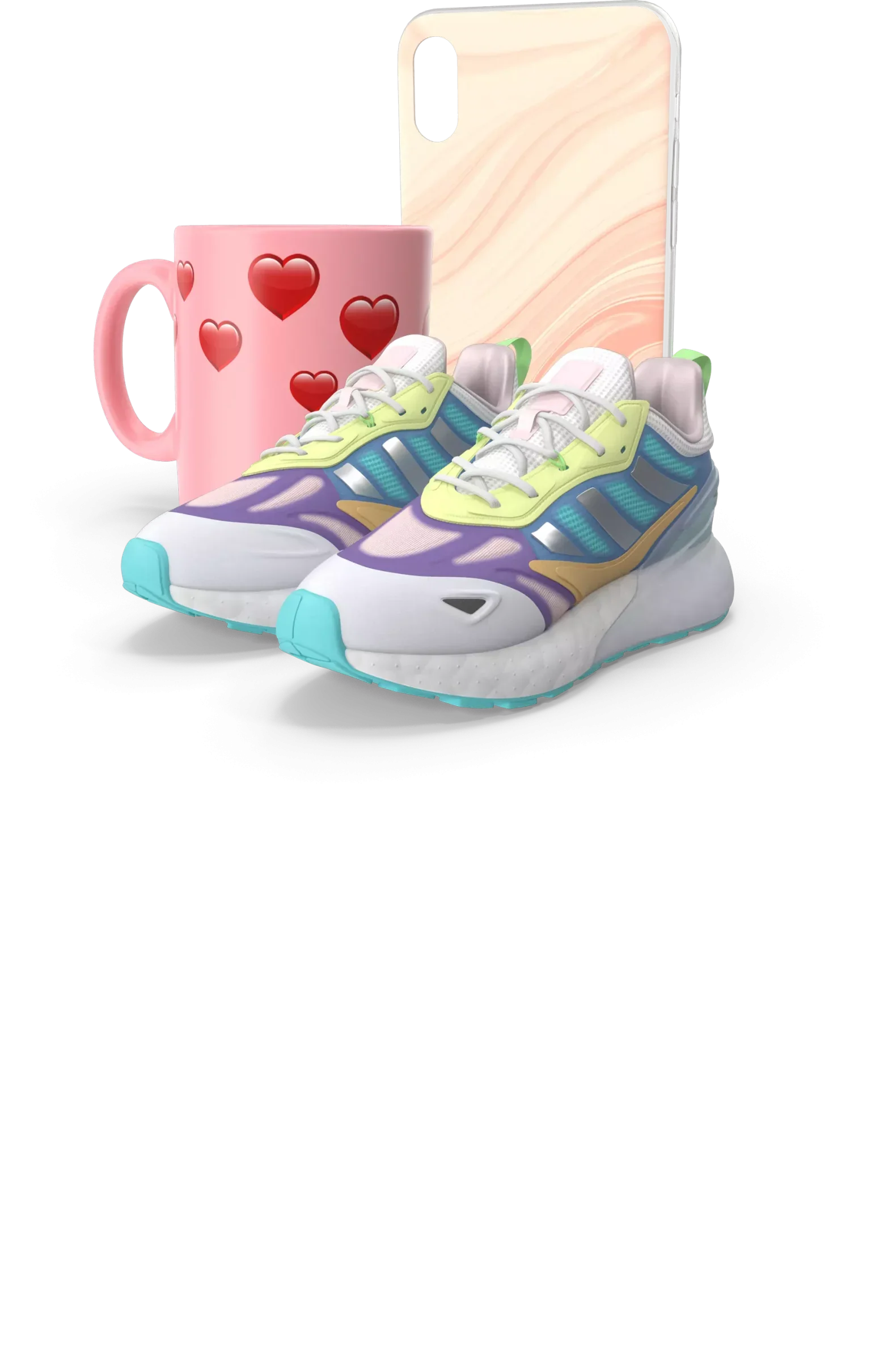
Mass Customization
Mass Customization
Mass customization is an initiative adopted by companies to embrace the increasingly diversified needs of customers. By offering customizable products and services, consumers feel engaged and can bring their creativity into play. Brands gain from this a boost in perceived value and the opportunity to fuel a positive word-of-mouth marketing.
Dive In
Coopetition
Coopetition
If you can’t beat them, join them. Coopetition is a business strategy that defines cooperative and competitive relationships between competing companies in the same young or high-growth market. The goal is to travel a stretch of road together to lower initial research and development costs. Once the desired results are achieved, the companies will return to being enemies as before.
Dive In
MVP
MVP
To the disappointment of all sports fans, this is not an article about Michael Jordan. In the language of business, MVP stands for Minimum Viable Product and indicates the version of a new product that has enough features to attract customers. In this way, a team can gather the most feedback with the least effort, improve the prototype, and validate its sale.
Dive In
Agile
Agile
Agile is an approach to software development designed to respond to change. Teams quickly analyze the context in which they operate, identify uncertainties faced, and figure out how to adapt to always move forward. Interaction between individuals comes before processes and tools; collaboration with the customer is more important than negotiating contracts.
Dive In
Bounded Rationality
Bounded Rationality
The best solutions always come to mind when it is too late. This is because human beings tend to make decisions on the basis of satisfaction rather than optimization. Bounded Rationality means that we are unable to think clearly and linearly, we proceed by trial and error and forget all the possible variables that affect the process. But we are also flawed.
Dive In