Innovation Alphabet
Virtual Reality
In a nutshell
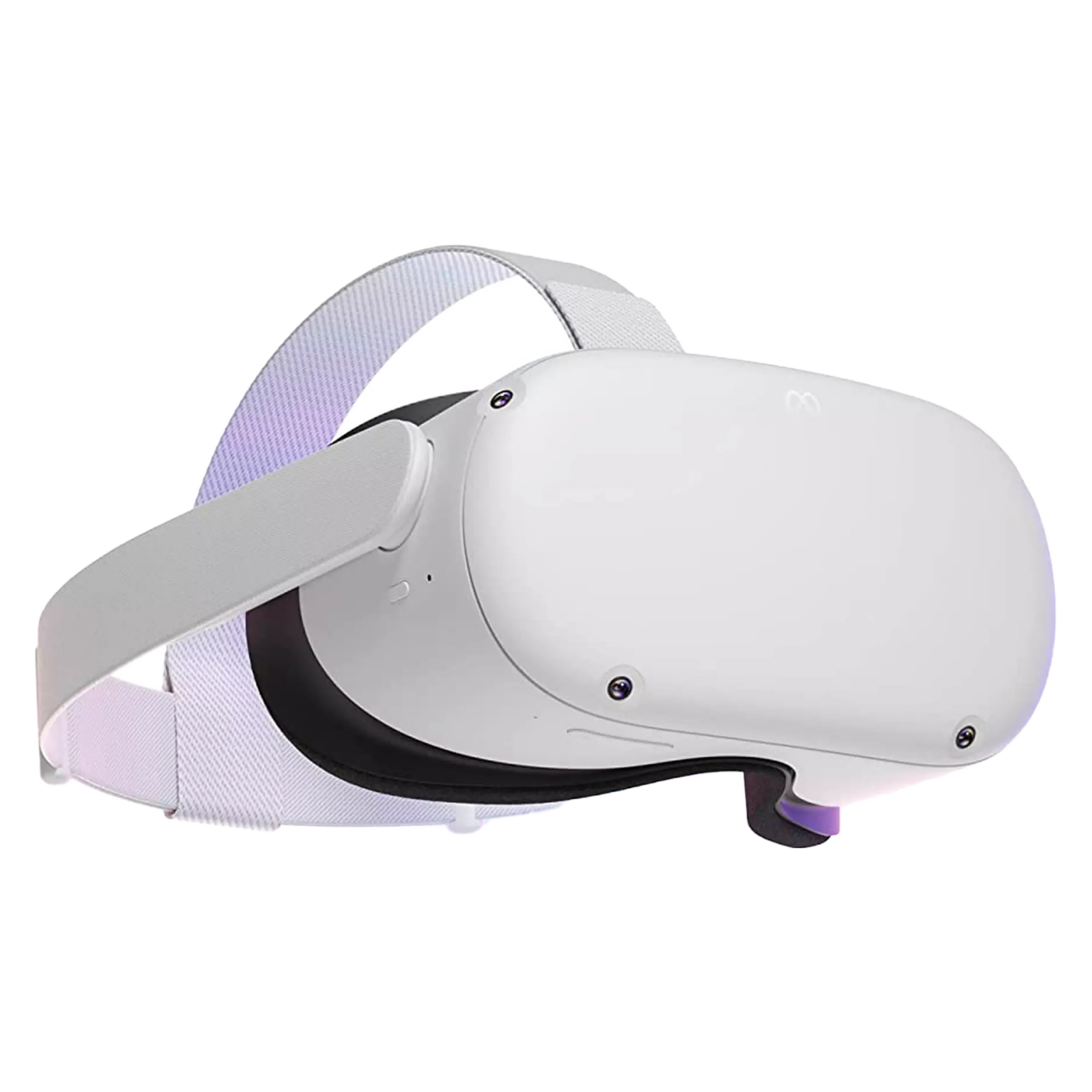
Virtual Reality (VR) is a technology-generated environment in which the user can feel truly immersed and move freely among digital objects, images, and sounds. All it takes is a device known as “visor” to leave behind the stress of the real world and take refuge for a while in a simulated, three-dimensional world capable of eliciting real behavioral and emotional responses.
Application Fields
• Custom product knowledge: Virtual reality enriches the customer experience. It allows a 360-degree view of the product and its functionality, with the features and adjustments requested by the customer. Even if the product is not yet physically manufactured.
• Customer Loyalty: Through virtual reality devices, customers can literally live the experience of a brand. They can visualize in a more transparent way the processes of product creation and learn about its history. A technique used to build customer loyalty, study customer responses, and make them become attached to the company and the brand concept itself.

• Virtual store experience. Wearing a kind of helmet, the user can enter a virtual store and explore or even try its products. This allows for an immersive shopping experience before buying the desired item.



Do you have a Strategy & Innovation challenge to tackle? Let’s face it. Together.
C-levels from these companies (AND MORE) relied on my expertise to overcome thEIR CHALLENGES IN THIS AREA. And You can, too.
Can I help you?

Industries
• Virtual Reality in the medical industry
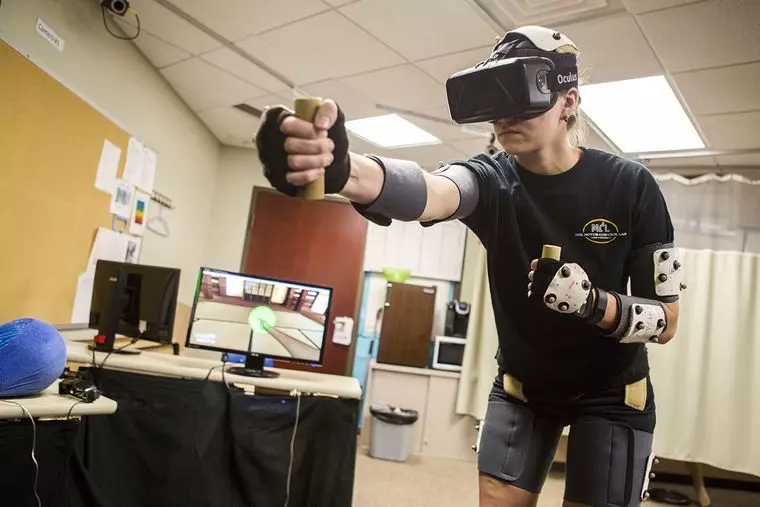
Istituto Auxologico Italiano has employed an application of VR in line with developments in “cybertherapy” to outline the technological version of physical and cognitive rehabilitation. It is a therapy that stems from the need to find cutting-edge solutions in rehabilitation and psychology. It has many advantages over traditional physical therapy techniques:
– You can carry out rehabilitative exercises in a setting that mimics the characteristics of the environments concerned with the sports activity.
– The patient is extensively stimulated and trained.
– Exercises dynamically adapt their difficulties to the skills acquired.
– Performance indicators are monitored systematically.
• Virtual Reality in the oil and gas industry
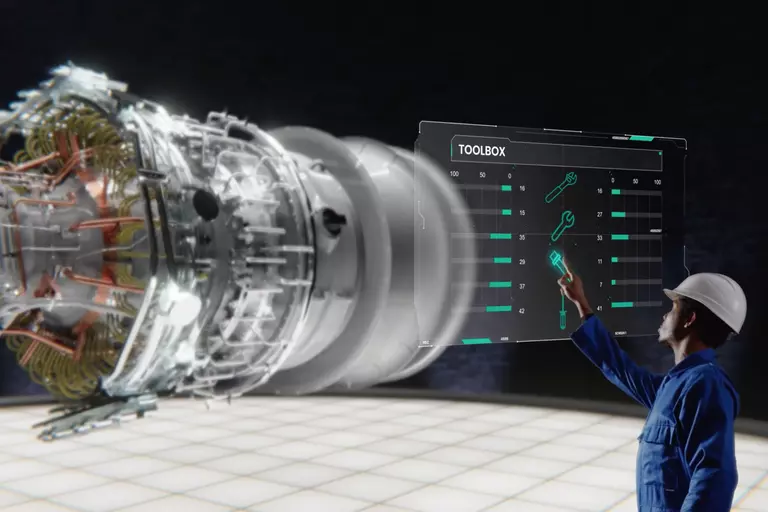
Baker Hughes, one of the largest companies in the oilfield services industry, has adopted smart helmets coupled with Virtual Reality visors so that more experienced technicians can remotely guide, leveraging wireless connectivity, on-site personnel in carrying out complex tasks, such as repairing and maintaining oil and gas plant equipment. The adoption of Virtual Reality has enabled the company to significantly reduce machine downtime and costs. They also save on travel expenses for specialized personnel.
• Virtual Reality in the service industry
Marriott Hotels & Resorts is a Maryland hotel chain that in 2015 launched VRoom Service, an initiative that allows guests to experience a virtual journey from their hotel room by wearing special visors. Former vice president Matthew Carroll said the creative spaces requested by customers themselves help stimulate creativity and thinking. VRoom combines storytelling and technology – “two important elements for the next generation of travelers”.
Business Functions
• Virtual Reality in support of marketing
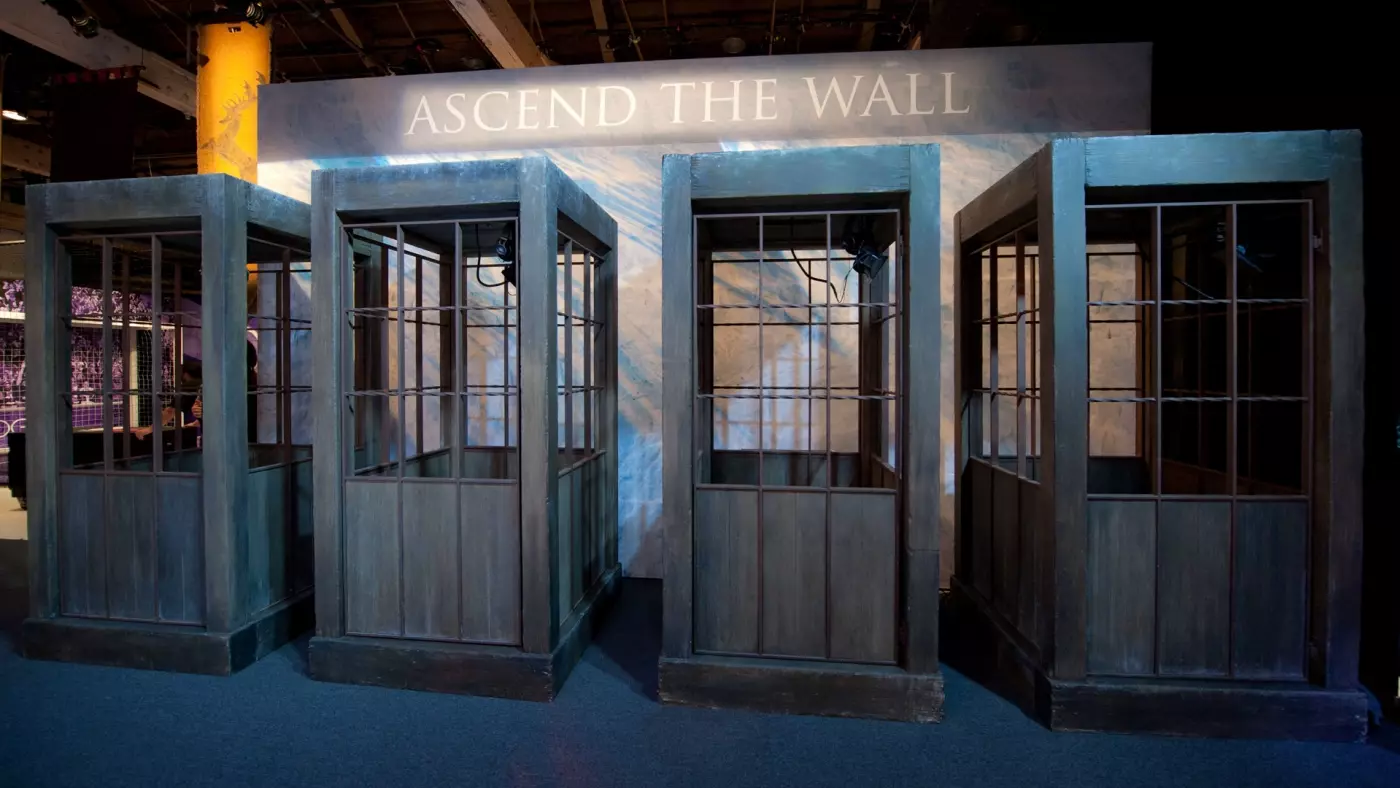
In 2014, to launch the fourth season of the hugely popular TV series “Game of Thrones”, marketers created a multi-sensory traveling exhibition featuring the VR experience “Ascend the Wall.” The event passed through places such as the South by Southwest festival and Singapore’s Ion Orchard shopping mall. Viewers could enter an elevator from which cold air escaped and simulated the sound of an explosion, creating the sensation of being lifted 700 feet to the top of the Castle Black Wall.
• Virtual Reality in support of HR
Virtual Reality tools are capable of revolutionizing and facilitating training processes usually entrusted to HR. One example is KFC, which uses Virtual Reality to teach its employees the correct technique for preparing fried chicken.
• Virtual Reality in support of facility management
To control all the activities that do not concern the core business of a company, companies can exploit VR with the aim of achieving an interactive and immersive experience, creating realistic and three-dimensional images of the simulated environment.
Stay in wonderland
Let me show you how deep the rabbit hole goes.
Check out more of the Innovation Alphabet:

Gamification
Gamification
Gamification is actually adding a game-like element to make more fun and engaging something that’s not necessarily a game. It’s all about turning a task that might be boring or difficult into a more enjoyable and motivating activity. You can also earn points, badges, and rewards for completing certain actions or challenges. Are you ready to play?
Dive In
Business Intelligence
Business Intelligence
A smart business means efficiency: Business Intelligence represents the ability to collect up-to-date data, present it in easy-to-understand formats, and deliver it in a timely manner to employees. Making data-driven decision-making and management processes leads to competitive advantage, reduces inefficiencies, and improves productivity and service at all levels.
Dive In
Artificial Scarcity
Artificial Scarcity
We often tend to desire what we cannot have. Or what we are in danger of losing: Artificial Scarcity is a strategy that flaunts a limited number of items that do not correspond to actual availability. The goal is to stimulate the perception in consumers that the stock of items is about to run out and thus create a need based on the “fear of being cut off” or the intention to buy the item in order to resell it at a higher price.
Dive In
Subscription Model
Subscription Model
A subscription model is a business tool that generates revenue by charging customers a fee at regular intervals. The company provides products or services to subscribers on a subscription basis, usually monthly or annually. In this way, loyalty has become more important than acquiring new users.
Dive In
Holacracy & Flat Organization
Holacracy & Flat Organization
A “flat organization” breaks down the traditional hierarchy and removes its negative connotation, while “holacracy” is the business tool that facilitates its formation. Flat organizations place more emphasis on communication and collaboration, aspiring to a distributed decision-making process that gives each employee a voice. But this is a model that is difficult to implement.
Dive In
Mass Customization
Mass Customization
Mass customization is an initiative adopted by companies to embrace the increasingly diversified needs of customers. By offering customizable products and services, consumers feel engaged and can bring their creativity into play. Brands gain from this a boost in perceived value and the opportunity to fuel a positive word-of-mouth marketing.
Dive In
Coopetition
Coopetition
If you can’t beat them, join them. Coopetition is a business strategy that defines cooperative and competitive relationships between competing companies in the same young or high-growth market. The goal is to travel a stretch of road together to lower initial research and development costs. Once the desired results are achieved, the companies will return to being enemies as before.
Dive In
MVP
MVP
To the disappointment of all sports fans, this is not an article about Michael Jordan. In the language of business, MVP stands for Minimum Viable Product and indicates the version of a new product that has enough features to attract customers. In this way, a team can gather the most feedback with the least effort, improve the prototype, and validate its sale.
Dive In
Agile
Agile
Agile is an approach to software development designed to respond to change. Teams quickly analyze the context in which they operate, identify uncertainties faced, and figure out how to adapt to always move forward. Interaction between individuals comes before processes and tools; collaboration with the customer is more important than negotiating contracts.
Dive In
Bounded Rationality
Bounded Rationality
The best solutions always come to mind when it is too late. This is because human beings tend to make decisions on the basis of satisfaction rather than optimization. Bounded Rationality means that we are unable to think clearly and linearly, we proceed by trial and error and forget all the possible variables that affect the process. But we are also flawed.
Dive In